Professional Septic Tank Pumping in East Hartford, Connecticut

Contact Us
You probably don't think about your septic tank until it’s too late. The reality is, a full tank leads to slow drains, nasty odors, and eventually, a costly, disgusting backup in your home. Nobody wants that. Regular septic tank pumping in East Hartford, CT isn't just a chore; it's a vital preventative measure that protects your investment, your health, and your peace of mind. Our company is here to ensure your system stays clear and functional, without the mess or the stress.
What We Cover:
- Emergency Septic Service
- Septic System Repair
- Septic Inspections
- Grease Trap Cleaning
- Signs You Need Pumping
- Our Thorough Pumping Process
- Benefits of Regular Pumping
- Factors Affecting Pumping Frequency
- Expert Advice for System Care
Why Choose East Hartford Septic Tank Pumping
When your septic system needs attention, you need more than just a truck with a hose. You need reliability, expertise, and a local team who understands the specific needs of homes. We're proud to serve our community, from the residential streets off Silver Lane to properties bordering the Glastonbury town line. Our technicians are meticulously trained, our equipment is top-of-the-line, and our commitment to customer satisfaction is unwavering. We make a potentially unpleasant task as smooth and clean as possible.
Signs Your Septic Tank Needs Pumping
Your septic system will usually give you warnings before it completely fails. Knowing these signs can save you from a major headache and expensive emergency repairs. Don’t ignore these indicators – they’re not going to fix themselves. The sooner you act, the easier and less costly the solution will be. Staying vigilant about these symptoms means you’re taking proactive steps to protect your home.
- Slow Drains: Sinks, showers, and toilets draining sluggishly throughout your house.
- Gurgling Sounds: Odd noises coming from your pipes or toilet bowl after flushing.
- Foul Odors: Unpleasant smells emanating from drains, near the septic tank, or around the drain field.
- Soggy Spots in the Yard: Patches of unusually green or spongy grass over your drain field.
- Sewage Backups: The most obvious and alarming sign, with wastewater entering your home.
- Alarm Going Off: If your septic system has an alarm, it’s signaling an issue.
Our Process: A Thorough & Clean Septic Pumping
We believe in a meticulous process that goes beyond simply emptying your tank. When you call us for septic pumping, here’s what you can expect from our expert team. We take every step to ensure the job is done right, from start to finish, leaving your property clean and your septic system optimized for performance. Our focus is on efficiency and minimizing disruption to your household.
- Locate & Access: We’ll find your septic tank and carefully uncover the access lid, if not already visible.
- Visual Inspection: A preliminary check for visible issues like cracks, leaks, or damaged baffles.
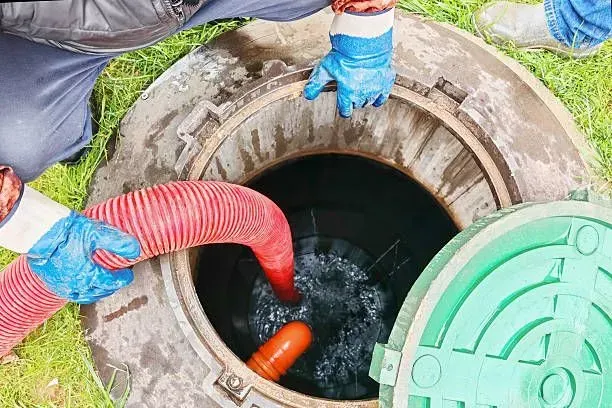
- Pumping: Using powerful vacuum equipment, we'll thoroughly remove all layers of scum, effluent, and sludge from the tank.
- Rinsing (If Needed): Sometimes, a gentle rinse of the tank interior helps dislodge stubborn solids.
- Post-Pumping Check: Another inspection to confirm proper function of baffles and overall tank condition.
- Education & Advice: We'll provide tips on maintaining your system and recommend your next pumping schedule.
- Site Cleanup: We always leave your property as clean as we found it, if not cleaner.
How Often Should You Pump Your Septic Tank?
This is one of the most common questions we get, and the answer isn't always a simple one-size-fits-all. The frequency depends on several critical factors unique to your property. We'll help you determine the ideal schedule to prevent issues and ensure compliance with any local regulations. Keeping a consistent schedule is the best way to avoid surprise septic failures and prolong the life of your entire system.
- Household Size: More people means more wastewater and solids.
- Tank Size: Larger tanks can go longer between pumpings.
- Wastewater Generation: High water usage (multiple showers, laundry daily) fills tanks faster.
- Garbage Disposal Use: Frequent use of a disposal adds solids and grease, requiring more frequent pumping.
- Septic System Age & Condition: Older systems might benefit from more frequent checks.
- Local Regulations: Some areas have specific requirements.
The Benefits of Regular Septic Tank Pumping
Investing in regular septic tank pumping offers a wealth of benefits that far outweigh the cost and inconvenience of an emergency repair. It’s an essential part of homeownership, especially for properties not connected to municipal sewers. Think of it as preventative medicine for your home – stopping problems before they even start. It makes financial sense and keeps your living environment healthy.
- Prevents Costly Backups: The most obvious benefit – avoiding raw sewage in your home.
- Extends System Lifespan: Protects your drain field and other components from premature failure.
- Maintains Property Value: A well-maintained septic system is a selling point, not a liability.
- Protects the Environment: Prevents untreated wastewater from contaminating local soil and water.
- Saves Money Long-Term: Regular maintenance is always cheaper than emergency repairs or system replacement.
- Eliminates Odors: Keeps unpleasant smells away from your home and yard.
Ready for a clean, healthy septic system? Call us today!